
1. The Unique Biology of Dart Frogs.
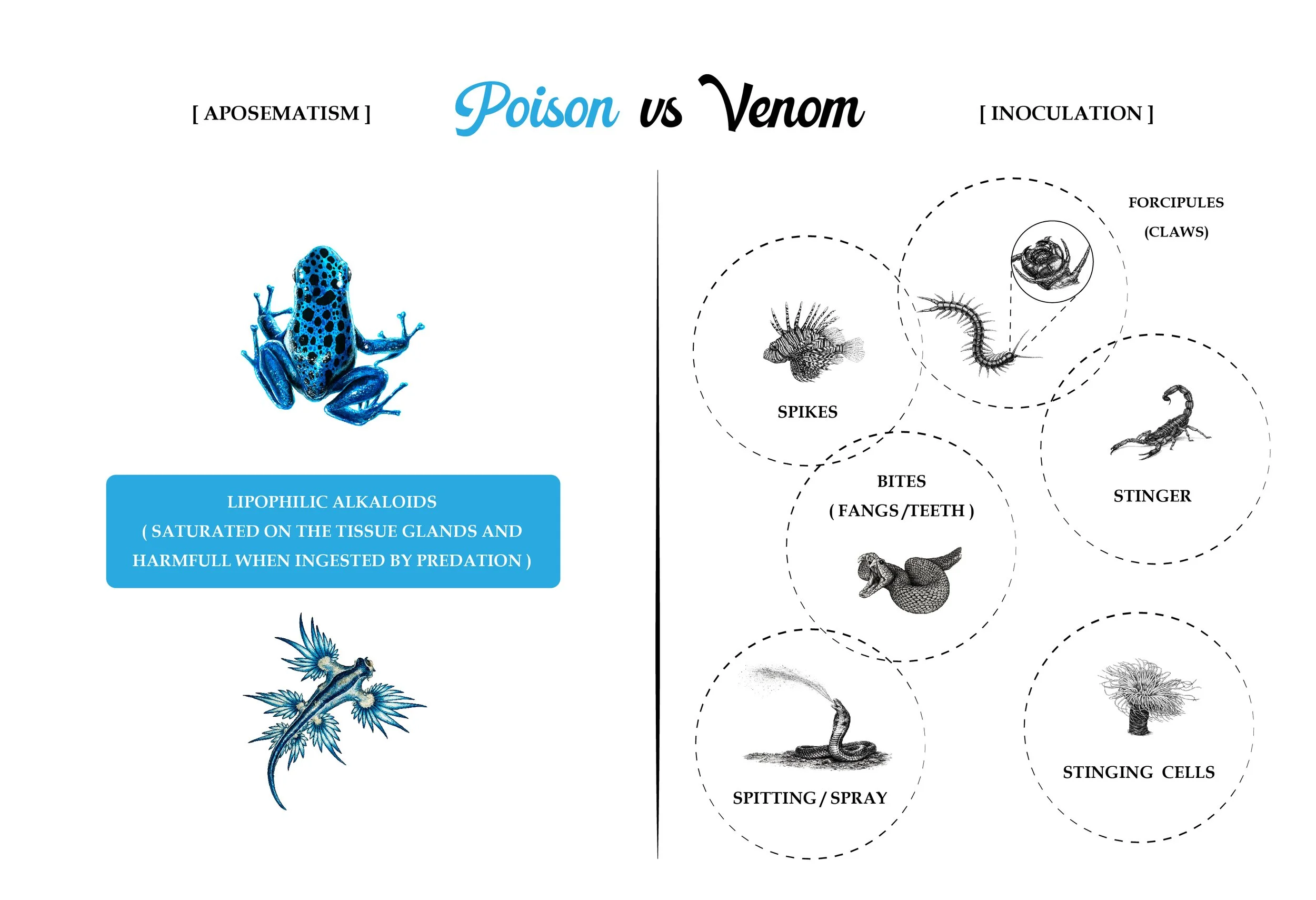
Dart frogs are poisonous, not venomous. Poisonous animals cause harm when they are touched or eaten, while venomous animals deliver toxins through a bite, sting, or injection system. Dart frogs do not inject toxins; instead, their skin contains powerful chemical compounds called alkaloids that can be dangerous if ingested or absorbed through mucous membranes or damaged skin. These alkaloids act on excitable cells—including neurons, cardiac muscle, and skeletal muscle—which is why they can disrupt nerve signaling, heart rhythm, or muscle contraction.
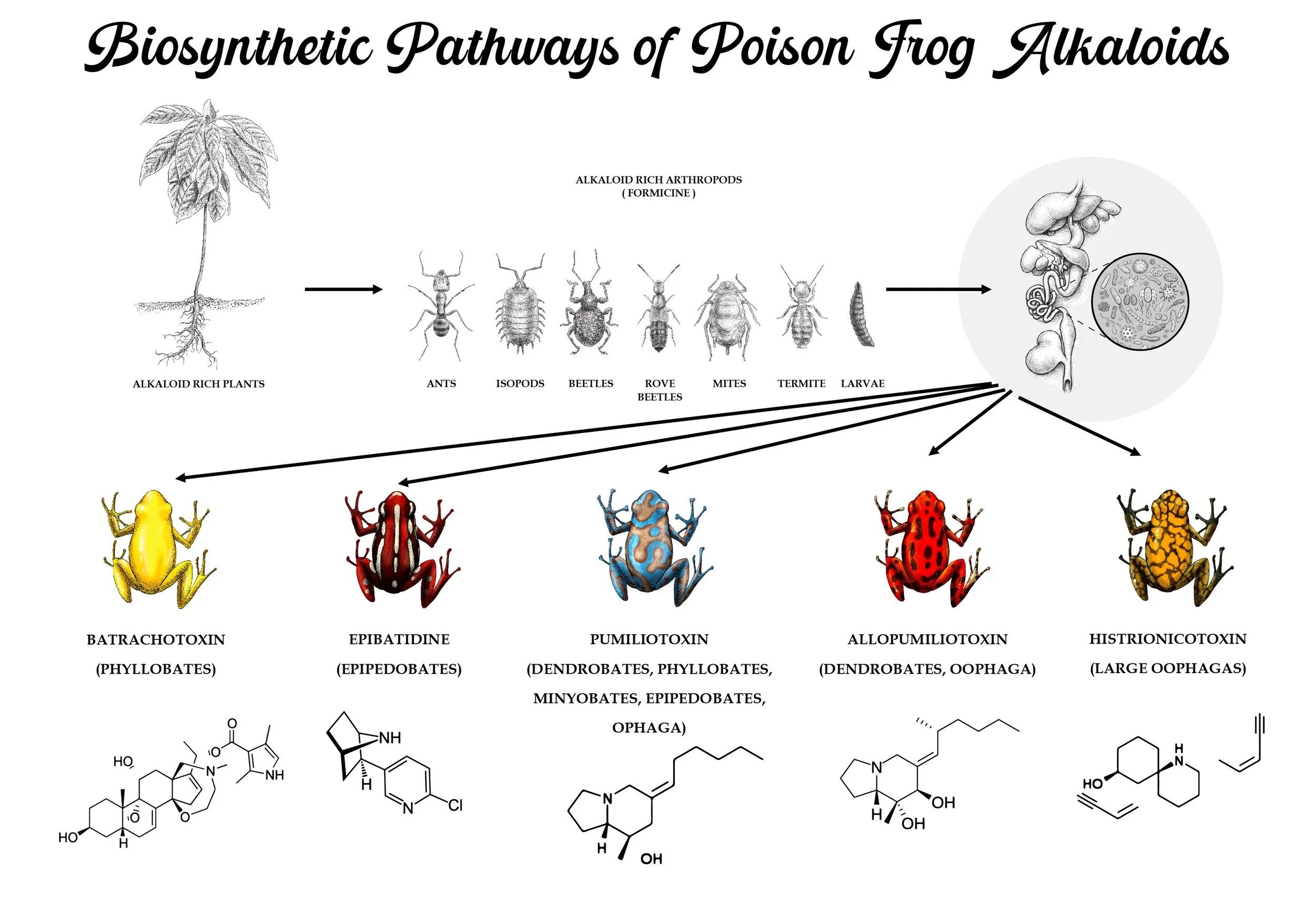
Dart frogs are well known for their bright colors and potent toxins, but their biology becomes even more remarkable when you look at how they acquire and manage these chemicals. They do not synthesize alkaloids themselves. Instead, they accumulate hundreds of different alkaloids from the ants, mites, beetles, and other tiny arthropods they eat in the wild. The story begins even earlier: many alkaloids originate in plants, and are then modified by arthropods and their gut microbiota—including bacteria—into the final alkaloid structures found in poison frogs. When frogs consume these chemically enriched arthropods, they absorb the alkaloids and incorporate them into their own defensive arsenal.
2. What Are Ion Channels?
Ion channels are large pore forming proteins embedded in cell membranes that act like electrical switches. These ion channels open and close to let charged particles, such as Sodium (Na+), potassium (K+) or calcium (Ca++) to flow in and out of cells cytoplasm. This movement generates the electrical signals that allow:
Neurons to communicate
Muscles to contract
The heart to beat in a coordinated rhythm and contract
Because these switches are so essential, they have been conserved across evolution in nearly every living organism.
3. Why So Many Poisons Target Ion Channels?
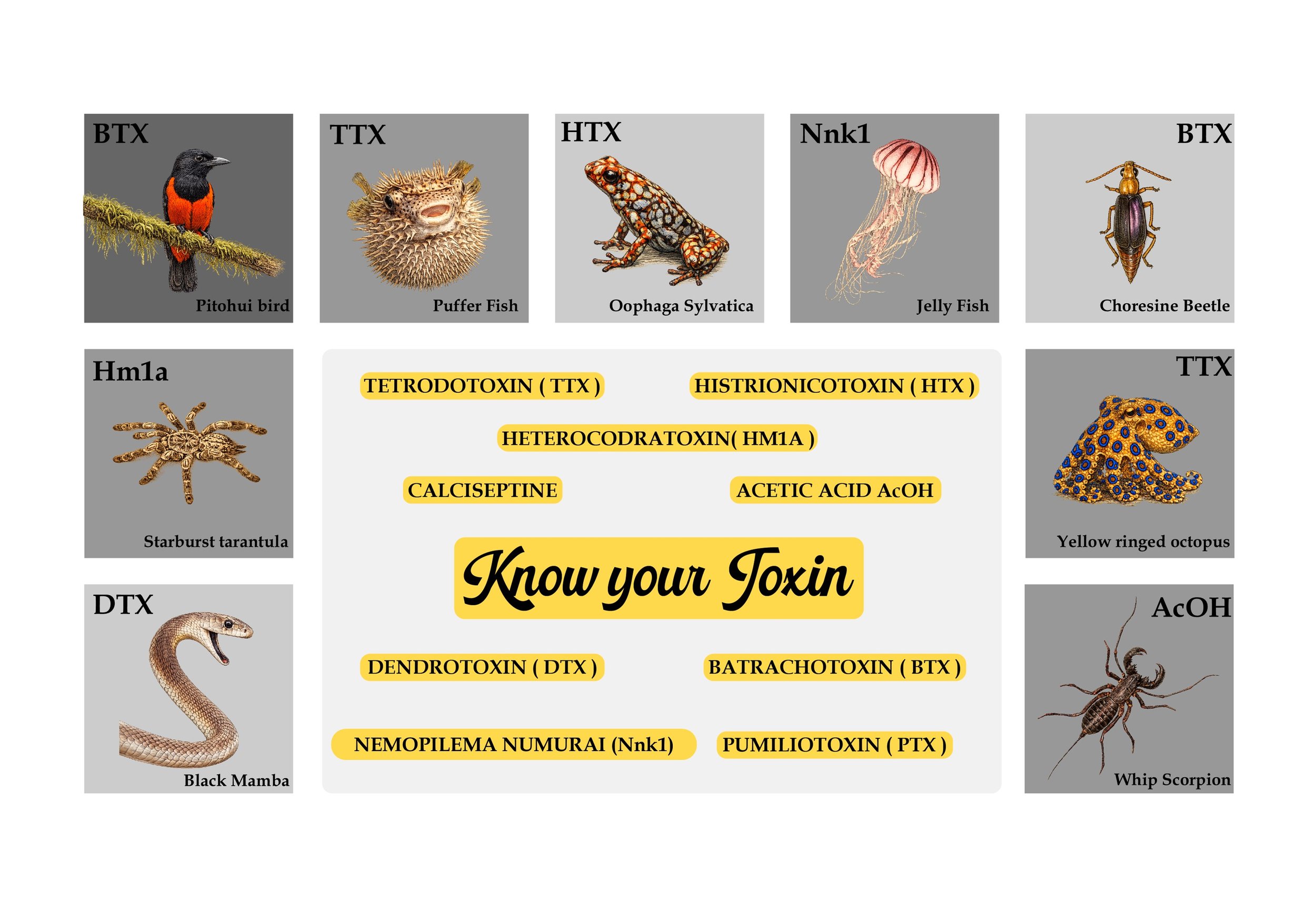
Because ion channels control the electrical activity that allows animals to move, breathe, hunt, and escape, they have become one of the most common evolutionary targets for toxins across the animal kingdom. From jellyfish and cone snails to scorpions, snakes, and pufferfish, many poisonous and venomous species have independently evolved molecules that disrupt voltage‑gated ion channels. Shutting down these channels instantly interferes with nerve signaling and muscle control, making it an extremely efficient way to immobilize prey or defend against predators. This evolutionary convergence highlights just how central ion channels are to life—and how powerful they are as biological “switches” that toxins can exploit.
4. How we Study These Electrical Signals?
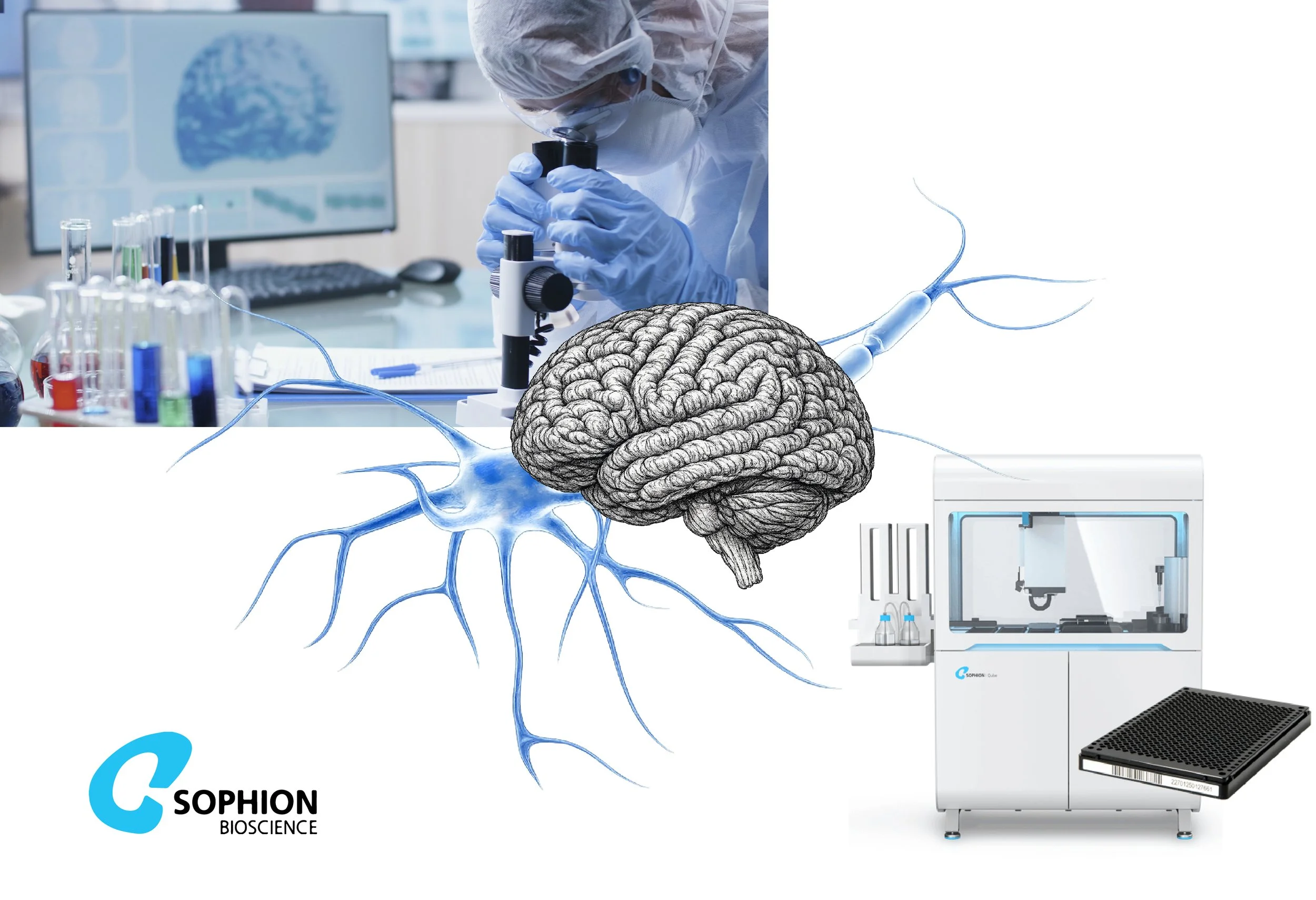
Electrophysiology is the science of measuring electrical activity in living cells. One of its most powerful tools is the patch‑clamp technique, which allows scientists to record the activity of a ion channels. Patch‑clamp works like placing an electrode to measure the electrical activity of electrical switches. It lets researchers see exactly when a channel opens or closes and how toxins, drugs, or genetic mutations affect its behavior. This level of detail is crucial for understanding both normal biology and disease.
To avoid poisoning themselves, dart frogs rely on two major adaptations:
First, they possess genetic variations in their ion channels that reduce the ability of alkaloids to bind and interfere with electrical signaling, giving them natural physiological resistance.
Second, they produce a specialized protein called alkaloid‑binding globulin (ABG), a liver‑derived serpin that circulates in the blood and acts like a molecular “toxin sponge.” ABG binds alkaloids in the bloodstream, isolates them from sensitive tissues, and transports them safely from the gut to the skin. It is found in the liver, intestines, blood plasma, and skin, reflecting its role in toxin handling. Once delivered to the skin, alkaloids are stored in granular glands where they serve as a powerful chemical defense. Together, these adaptations allow dart frogs to accumulate some of the most potent natural neurotoxins known while remaining unharmed.
5. Ion Channels and Human Disease. Because ion channels control so many vital functions, even small genetic changes can have major consequences. Conditions caused by genetic mutations in ion channel genes are known as channelopathies. They are responsible for the main type of:
epilepsies
Cardiac arrhythmias
Neuromuscular disorders
Autism spectrum disorders
A helpful way to understand these disorders is to compare them to the effects of toxins. Some mutations make ion channels behave as if they are exposed to a permanent, low‑level “opener” toxin, similar to batrachotoxin, causing channels to stay open when they shouldn’t. Other mutations act more like a built‑in channel blocker, similar to pumiliotoxin, preventing channels from opening properly. In both cases, the electrical switches fail to turn on or off at the right time, disrupting communication between cells and affecting how the brain, muscles, or heart function.
Contact us
Interested in working together? Fill out some info and we will be in touch shortly. We can’t wait to hear from you!